When browsing for natural wellness products, you’ll often see the terms “Essential Oil” and “Aromatherapy Oil” used interchangeably. While they sound similar, they’re not exactly the same — and knowing the difference can help you choose the right product for your needs.
If you’re an aromatherapy enthusiast or shopping for oils for your home, skin, or hair, this guide will help you make an informed choice.
1. What is an Essential Oil?
Definition:
Essential oils are pure, concentrated plant extracts obtained from flowers, leaves, bark, roots, or fruits through steam distillation or cold pressing. They contain the plant’s natural aroma compounds and therapeutic properties.
Key Features:
- 100% pure & natural (when sourced from trusted brands)
- Potent and highly concentrated
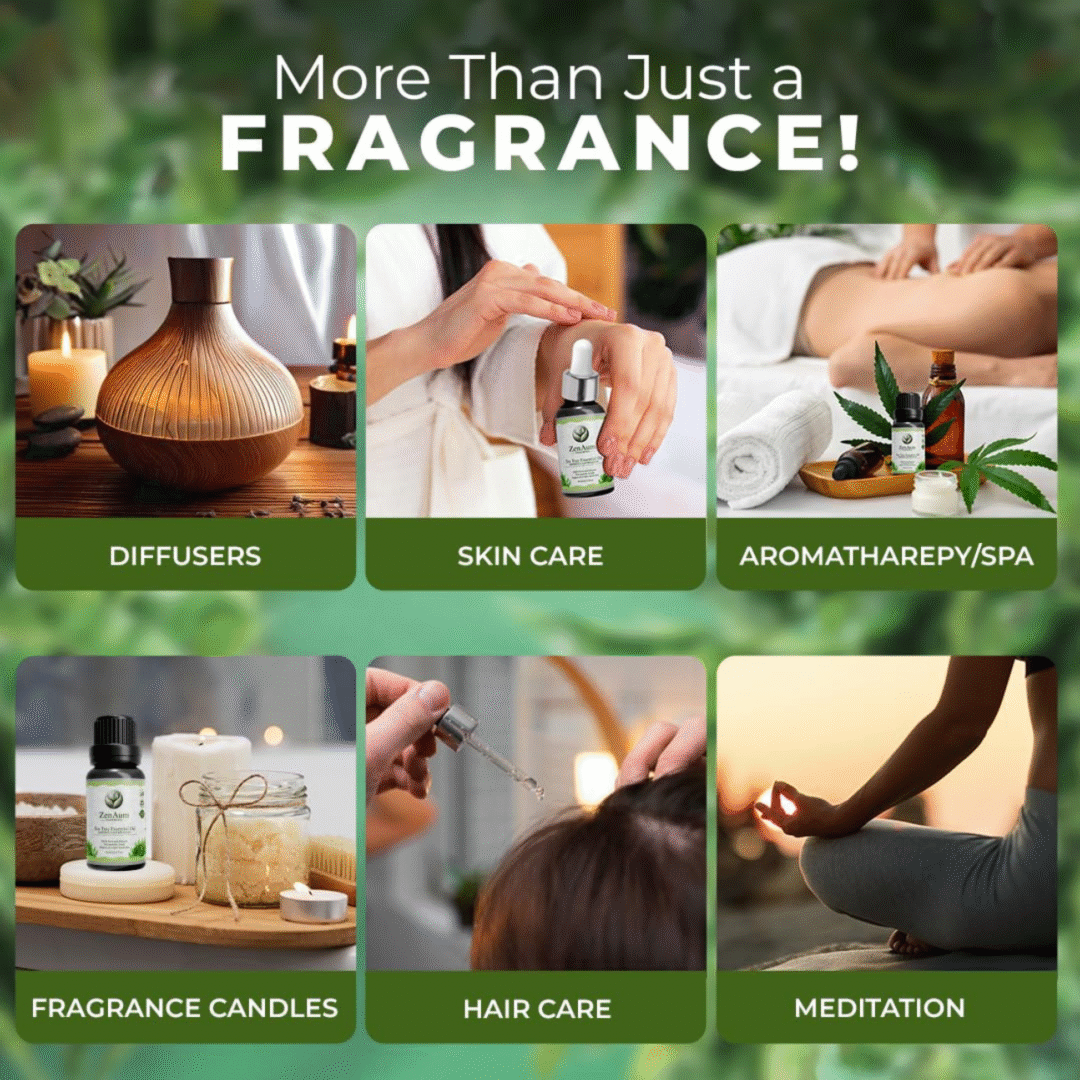
- Used in aromatherapy, skincare, hair care, and natural remedies
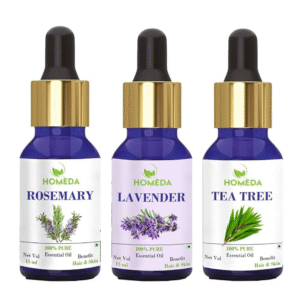
- Examples: Lavender, Peppermint, Tea Tree, Eucalyptus
Best For:
- People looking for natural remedies for stress, sleep, skin issues, or hair care
- Therapeutic and wellness benefits beyond just fragrance
💡 Affiliate Tip: Link to therapeutic-grade essential oils like ZenAum Essences 100% Pure Lavender Essential Oil for buyers seeking authentic wellness benefits.
2. What is an Aromatherapy Oil?
Definition:
Aromatherapy oils (sometimes called “fragrance oils” or “blended oils”) are made primarily for scent and relaxation. They may be:
- A blend of essential oils with a carrier oil (like coconut or almond oil)
- Or a synthetic fragrance oil designed for diffusers, candles, and air fresheners
Key Features:
- Often pre-diluted for safe use in diffusers or massage
- May contain synthetic fragrance ingredients for stronger or longer-lasting scent
- Usually more affordable than pure essential oils
Best For:
- People who want pleasant scents for home fragrance, meditation, or yoga
- DIY candle makers, soap crafters, and diffuser users
💡 Affiliate Tip: Link to IFRA-certified aromatherapy oils like Aromahpure Lavender Fragrance Oil for customers seeking safe, long-lasting home fragrances.
3. Key Differences at a Glance
| Feature | Essential Oil 🌱 | Aromatherapy Oil 🌸 |
|---|---|---|
| Purity | 100% pure plant extract | Blend of essential & carrier oils or synthetic fragrance |
| Main Purpose | Therapeutic & wellness benefits | Fragrance & relaxation |
| Strength | Highly concentrated | Usually diluted or less potent |
| Price | Higher (due to purity) | More affordable |
| Best Use | Skincare, hair care, diffuser, massage (when diluted) | Diffuser, candles, air fresheners, soaps |
| Shelf Life | 1–3 years (proper storage) | Varies depending on ingredients |
4. Which One Should You Buy?
- Choose Essential Oils if you want natural healing properties, skin and hair benefits, and authentic aromatherapy experiences.
- Choose Aromatherapy Oils if your main goal is to create a pleasant fragrance in your home or add scent to DIY products without paying for pure extracts.
For many users, the best approach is to keep both:
- A few pure essential oils for therapeutic use
- A selection of aromatherapy oils for home fragrance and relaxation
Final Thoughts
Both essential oils and aromatherapy oils can play an important role in your wellness and lifestyle routine — it just depends on your goals. Essential oils deliver concentrated plant power for mind, body, and skin, while aromatherapy oils focus on creating a soothing atmosphere.
👉 Recommended Picks for You:
- 🌱 Best Essential Oil: ZenAum Essences 100% Pure Lavender Essential Oil – GMP, IFRA, and ISO certified for purity
- 🌸 Best Aromatherapy Oil: Aromahpure Lavender Fragrance Oil – IFRA certified and perfect for home fragrance